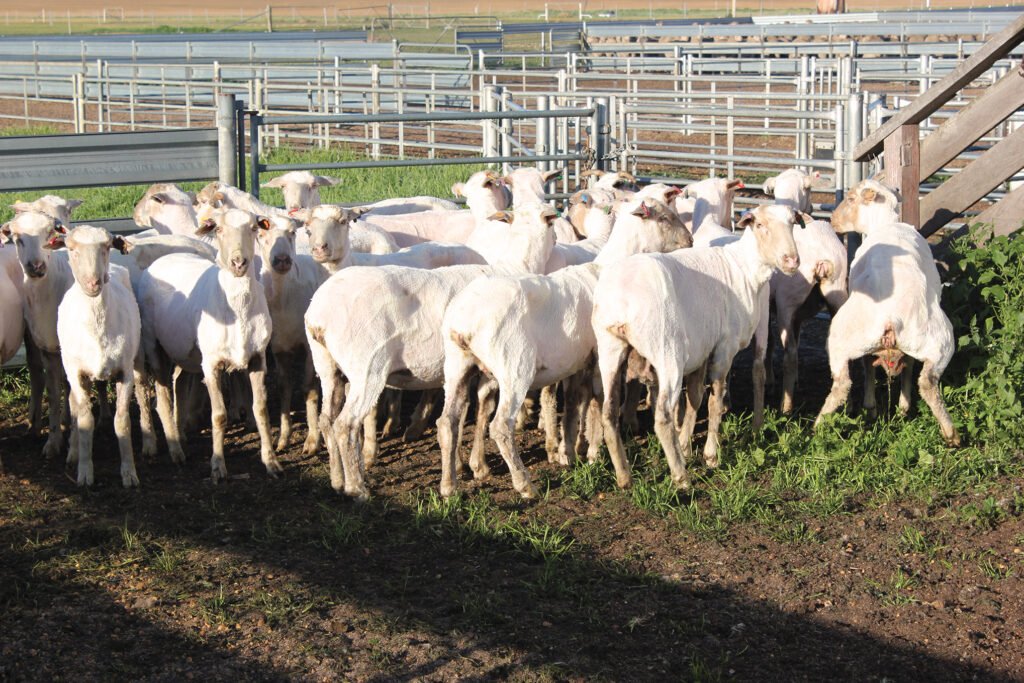
Sheep producers have always used an integrated approach to managing flystrike risk in their flocks. For most, this has involved mulesing, crutching, shearing and jetting at times during the year that minimise risk.
Market pressures are now challenging the use of mulesing as a practice to reduce the risk of breech strike. Responding to customer demands for non-mulesed wool, requires sheep producers to re-assess both their breeding program and annual management calendar – so that flystrike risk can be minimised in non-mulesed sheep. Over time the breeding of plainer, less susceptibile sheep may reduce the reliance on annual management actions and chemicals for flystrike treatment and prevention.
Source: Australian Wool Innovation
FlyBoss provides producers with some specific tools for assessing flystrike risk and the impact of management actions on that risk. The tools are specifically developed to make use of local climate and weather data to
Optimise shearing, crutching and chemical treatment times to minimise risk;
Compare two management systems and their flystrike risk profiles;
Check registered chemicals for fly and lice control.
www.wecqa.com.au is a secondary ParaBoss website hosted by the University of New England (UNE). Whilst this is still an official ParaBoss website, UNE is solely responsible for the website’s branding, content, offerings, and level of security. Please refer to the website’s posted Privacy Policy and Terms of Use.


 Tools
Tools